
If you are weighing fitness classes against training on your own, you are really comparing two different ways of working out. Here is how we see it at CrossFit 100 in Glendale, with the good and the limits of each, so you can decide what fits your week.
Fitness Classes vs. Training Alone: What You Are Really Comparing
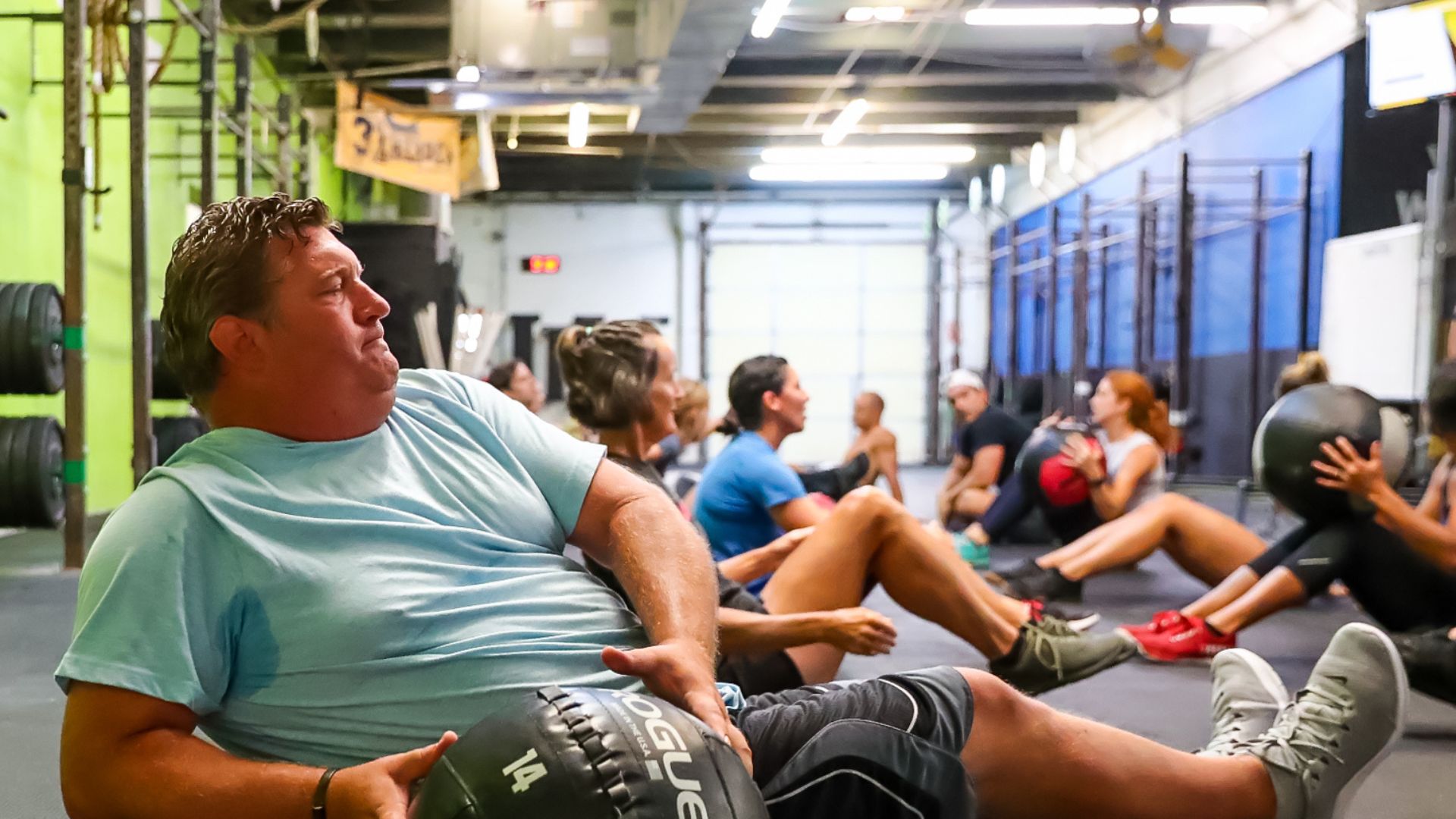
A typical coached class at CrossFit 100 starts at the time on the schedule and runs anywhere from 45 minutes to an hour. Class size varies by day and time, from about 5 up to 20 people. The coach leads the whole thing.
It starts with a greeting and a quick briefing on what the hour looks like. Then the coach leads the warm-up, which gets the core temperature up and walks through the basic movements for the day. It is also a good chance for us to see how people are moving and whether anyone has aches and pains. From there we move into the specific warm-up for the strength work or the workout, and we make sure everyone has what they need. We take people through the movements with a PVC pipe or just a barbell, give them a focus, and review the movement so everybody is set.
Then we set the clock. We give feedback constantly during strength work and the workout, which makes sure people get the stimulus for the day. We check the weights and make sure everybody is being challenged. We finish together, talk about what happened, stretch or cool down, high-five, and everybody goes home.
Training alone looks different. People tend to do the same thing over and over, with no variety in the exercises or the programming. They don’t know if they are moving correctly, no one is correcting them, and no one is pushing them to progress. They also don’t have peers to motivate them or to watch and learn from.
Accountability: Who Notices When You Skip a Week?
At our gym, if a member misses a class, they get a message from us asking if everything is okay. If they miss a week, they get a phone call to make sure things are going well or to find out if something got in the way. We can help them organize their schedule or look at other ways to come in. There is no pressure. We just want to make sure they are taking care of themselves, because that matters. It starts with getting consistent. Coming into the gym is what makes us better at everything else we have to do outside of it.
We hear the same thing from busy professionals who train alone: they lose motivation, they have no guidance, and nobody keeps them engaged. It gets boring doing the same thing over and over. There is no support, and nobody checking on them.
Programming: Following a Plan vs. Making It Up Each Day
Our programmers plan a year ahead, and we go by month as well. Each period has different focuses, and there are workouts for each level. We run three tracks:
- For people who are more experienced and very competitive
- For people for everyday life
- For newer members, or anyone going through an injury, a track that is a little lighter
You can choose a track each day. Some days you might go more competitive, other days more scalable. You can also hybridize two tracks, because sometimes the movements or weights in one are easier. It is formatted to what you are capable of doing that day, based on how you feel, how you are moving, and how hard the movements are.
When people make up their own workouts, the problem we see is cherry-picking. They do the things they already do, and they don’t work on what they need to get better at. There are no progressions, and no one is teaching them the movements they are not so good at. In class, we work around limits and practice different things through the programming.
Form Feedback: Why a Second Set of Eyes Matters
When we coach a class, we point out what each person is doing well and then focus on making the movement better and easier for them. Good feedback and feedback that needs a little adjustment both matter.
We touch base with each member at least three times through the hour. Sometimes the adjustment is visual. Sometimes it is tactile, meaning we touch the spot, or we use a dynamic adjustment where the member moves and feels the right movement.
Here is an example. If someone is squatting below parallel and coming up on their toes, we tell them to imagine they are going to the bathroom in the woods and need to get really low. That usually paints the picture. We also tell them to sit back into their heels if they need to.
When a class is full, we usually run two waves of people moving. That lets the coach catch more, and members can watch the other wave and see the corrections we give. It is like having a mirror to show what the movement should look like.
When Working Out on Your Own Is a Good Fit
We are honest about this one. We are not sure anyone does really well training alone, but we understand that doing something is better than doing nothing. If you have a tight time window or you travel, training solo can be what works. Even experienced people still need a community, and even a little time around other people helps.
If you are happy training solo, our advice is to try a class for a couple of days. It gives you something to chase, and most of us don’t push ourselves as hard alone as we do in a class. You can also pick up tips from the coach on being more efficient and getting faster. Then see if it makes a difference.
What Busy Professionals Should Weigh: Time, Budget, and Energy
On time, we have early mornings, midday, and afternoon classes. The first starts as early as 5 am and the last finishes at 7 pm. There are 6 to 7 offerings each day, plus weekends. Each session is about 45 minutes to an hour.
On cost, memberships range from the mid-hundreds to the mid-$200s depending on the membership, and we prefer to leave it general. We see it as an investment in yourself, no more than eating out or buying drinks. Our view is that the return is big, because you get more energy and you get better for life. It is like a doctor’s visit: the cost works out to about one class, or even less.
How to Test Fitness Classes Without Overcommitting
The first steps are low pressure. We start with an intro session, which is a consult. We sit and talk about your goals and map out what reaching them with us would look like. We cover how we will help and what we expect from members, and we make sure we are a good fit for each other. If you feel comfortable after that, you can come try a class.
After a few weeks, ask yourself four questions:
- Do I look forward to going, or do I have to talk myself into it?
- What feels different now? Think energy, sleep, mood, strength, how your clothes fit.
- Do I feel known here? Do coaches and members know my name and notice when I miss a class?
- Can I see myself still doing this a year from now? If yes, what would that version of me be proud of?
If you answered yes to two or more, you already know the answer.
Not sure what is holding you back? Let’s figure it out together. Book a quick chat with one of our coaches. Worst case, you leave with a clearer plan.


